
At the Turning of the Sun: Nardugan, Solstice, and the Return of Light
As we arrive at this quiet turning of the year, I wanted to pause and share a reflection.
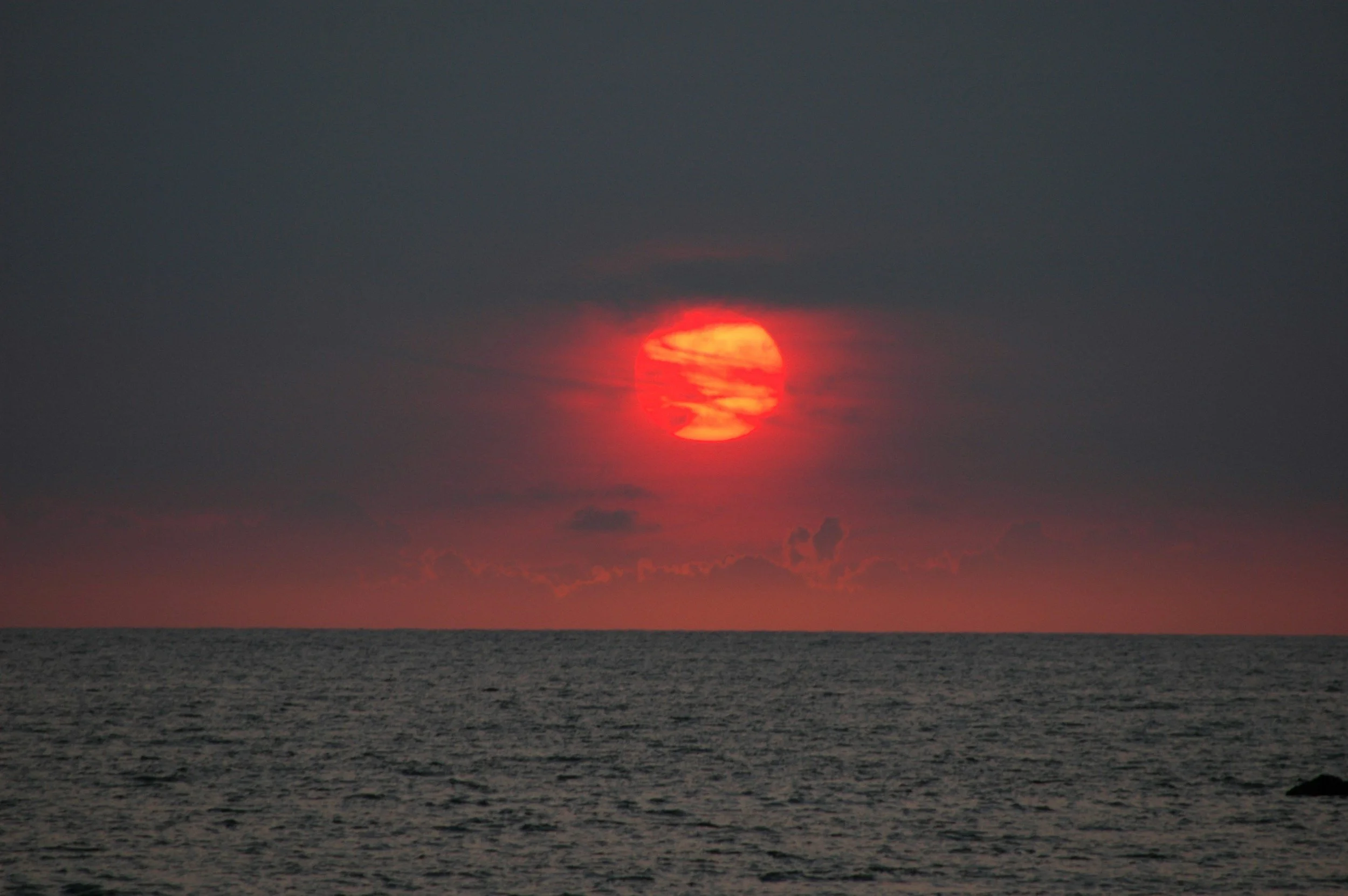
Even here in Hawaiʻi—where winter does not arrive with snow or long nights—the sun still reaches its lowest point in the sky. The days shorten, then slowly begin to lengthen again. The turning happens gently, almost unnoticed, but it happens all the same.
A Time Before Certainty
Long before calendars and scientific certainty, our ancestors lived in close relationship with this moment. In the Turkic tradition of Nardugan, celebrated since ancient Central Asian times, the Winter Solstice marked the rebirth of the sun.
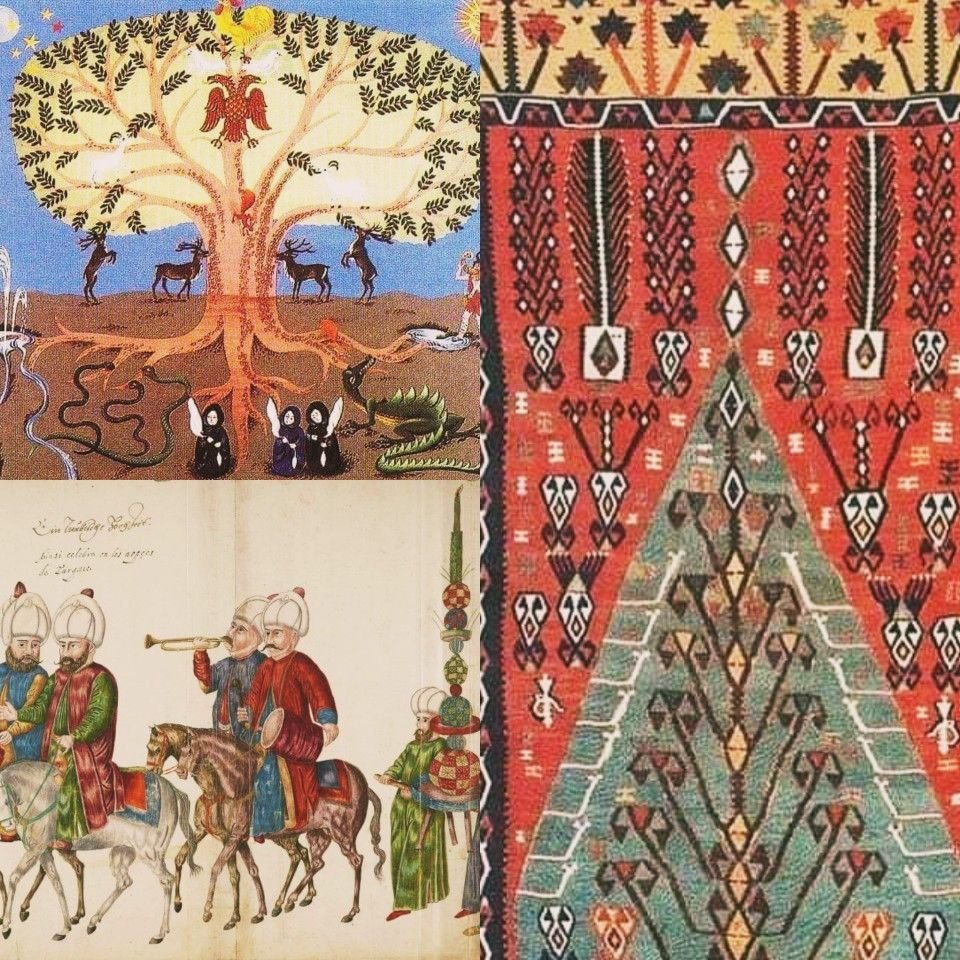
It was a threshold—honored not because the light was guaranteed, but because its return was deeply hoped for.
To live through winter once meant living with real uncertainty. Darkness was not symbolic; it was physical, existential. The question was simple and profound: Will the sun return?
Winter Cosmology of the Steppe
In ancient Turkic cosmology, winter was not an enemy to defeat, but a force to respect. The season itself was alive with meaning, carried by elemental figures who embodied cold, endurance, and balance.
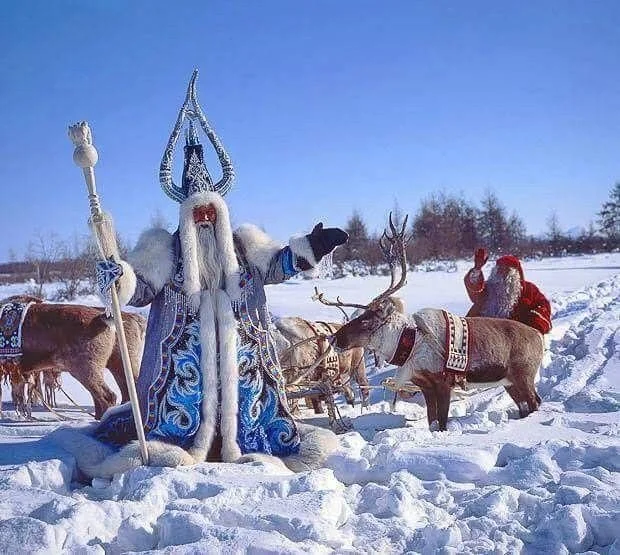
Ayaz Ata, whose name can be translated as Father Frost, is a winter spirit associated with cold air, snow, and the sharpening clarity of winter. He is not a figure of excess or punishment, but of testing and resilience—a reminder that hardship refines strength.
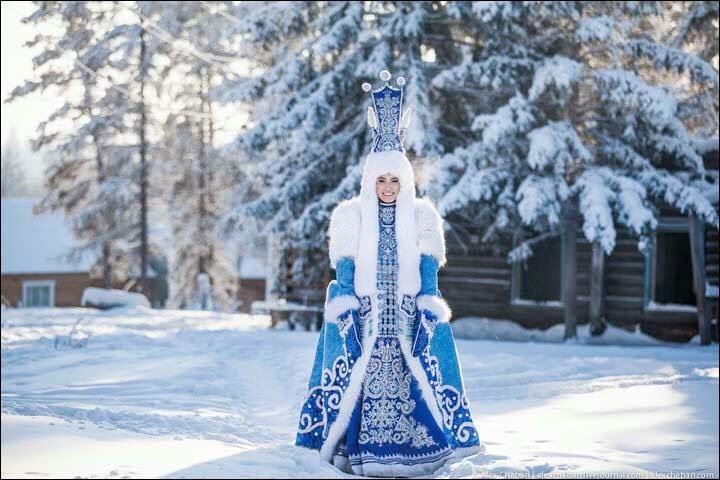
Alongside him is Kar Kız, the Snow Maiden, a gentle feminine presence tied to transition, purity, and the quiet beauty of winter landscapes. Together, they express winter’s dual nature: harsh and tender, demanding and protective.
These figures do not stand apart from the solstice—they belong to it. They personify winter as a teacher, a pause, and a necessary threshold before renewal.
Nardugan: The Newborn Sun
Within this cosmology, the Winter Solstice was celebrated as Nardugan—the rebirth of the sun.
The name Nardoqan (also written as Nardugan or Nardoğan) is often linked to ancient Turkic understandings of the sun. In Old Turkic, nar is associated with the sun or radiant fire, and when paired with doğmak—to be born or to rise—the word carries the meaning of the “newborn sun.”
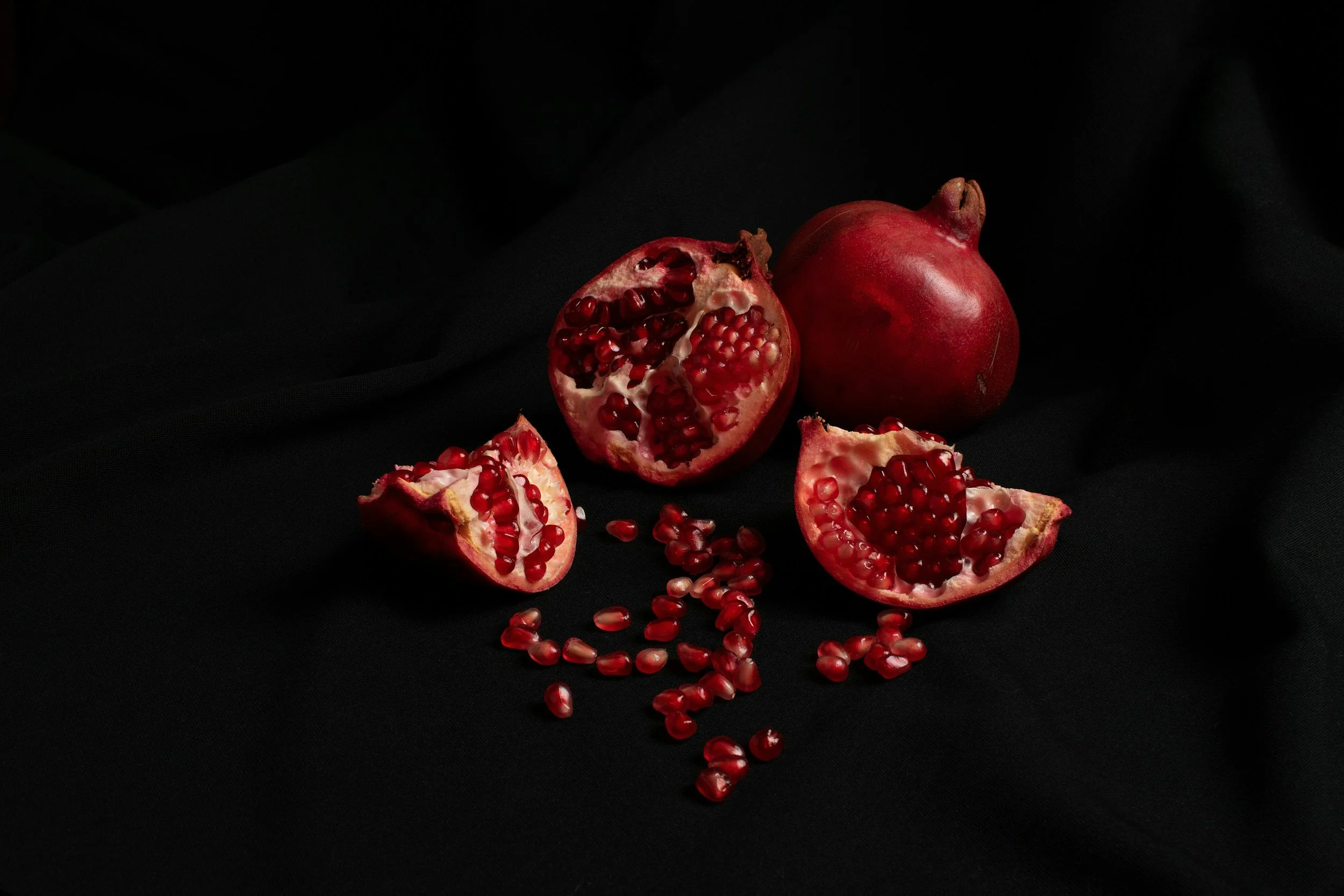
Nar is also the name of the pomegranate, whose glowing red seeds have long symbolized abundance, vitality, and life force. During Nardugan, the pomegranate is broken at the doorway, its seeds gathered and shared—like eating pieces of the sun itself, taking its warmth and light into the body.
Rituals of Care and Renewal
Nardugan is welcomed through ritual and intention—practices that are still carried forward today.
Homes are cleaned.
Bodies are washed.
People dress in red to honor life and renewal.
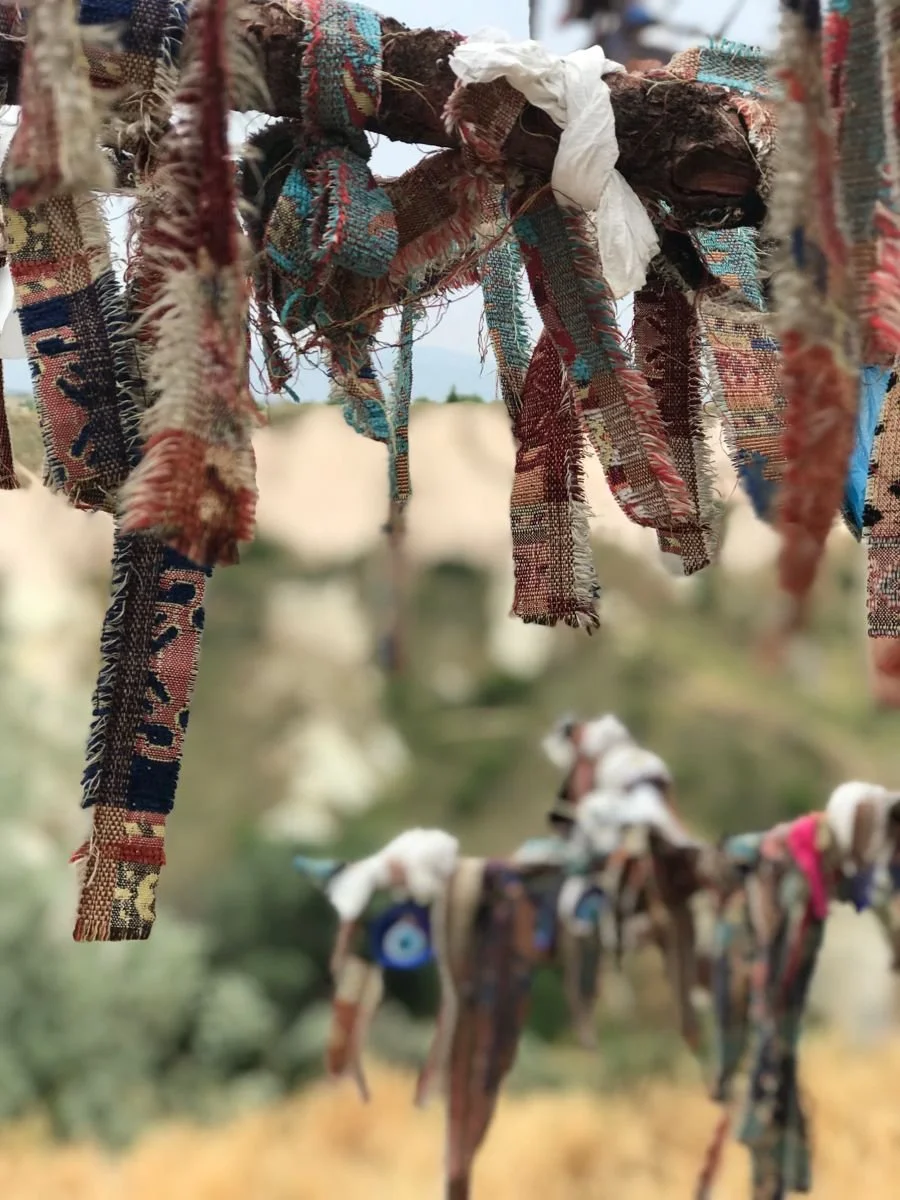
Trees are honored as symbols of life, especially the Tree of Life, represented in the region by the evergreen pine. These trees are not cut; they are respected where they stand. Red ribbons are tied onto their branches, wishes whispered into them.
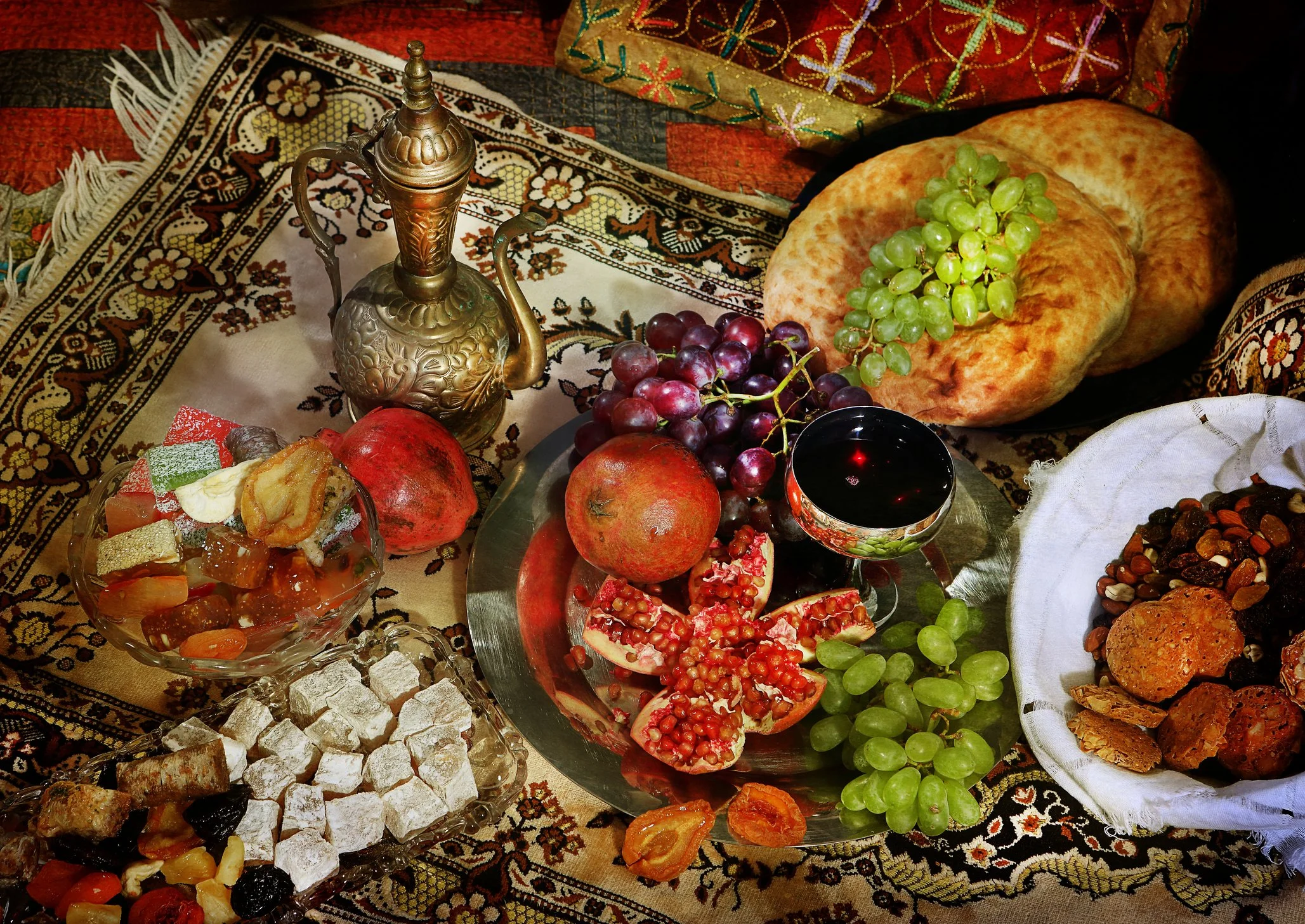
A pomegranate is placed in a sealed bag and broken in front of the house so its seeds remain clean. Later, those seeds are added to meals to invite abundance for the year ahead. Meals are prepared—chicken rice with nuts and dates—shared to bring health and prosperity to the whole family.
Gifts of fruit and food are placed beneath the tree for ancestors. Later, animals eat these offerings, understood as the presence of Umay Ana (the goddess of birth and death), carrying blessings, protection, and continuity between worlds.
These acts are not decoration. They are gestures of trust.
Shared Thresholds Across Cultures
Across the region and beyond, this turning of the sun has been honored in many ways. In Persian culture, the Winter Solstice is known as Yalda—the longest night of the year, gathered with family, poetry, fruit, and candlelight.
Like Nardugan, Yalda centers on staying present through darkness, trusting the return of light, and welcoming the sun through care, remembrance, and togetherness. Though names and rituals differ, the heart of the moment remains the same.
A North Shore Pause
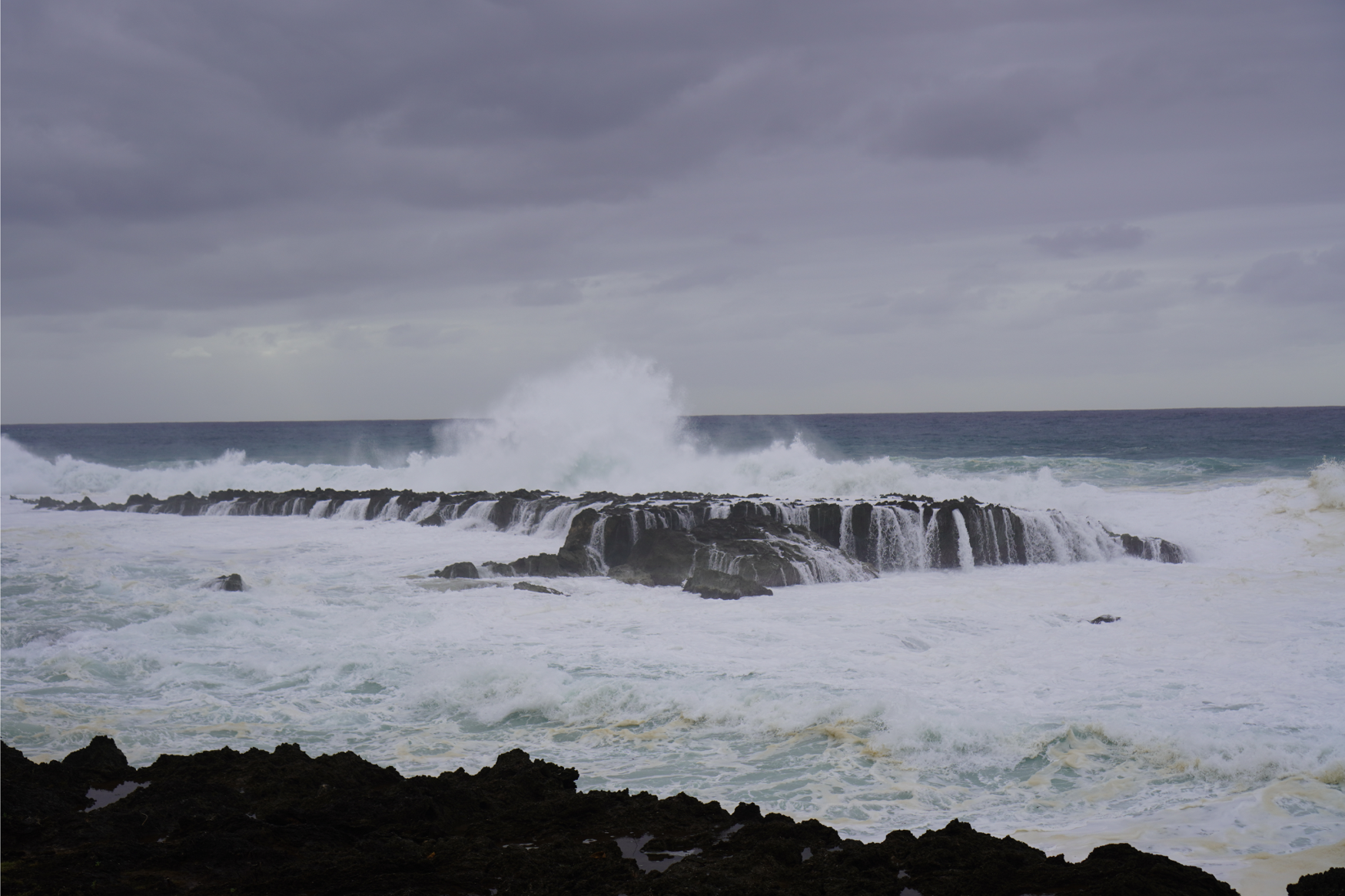
Sharks Cove, Hawai’i
Here on the North Shore, we feel this season in a different way.
The waves rise.
The ocean grows powerful.
Beach days pause.
It becomes a time for watching rather than entering, for respect rather than movement. Even in warmth, there is a natural slowing—a reminder that rest, too, is part of the cycle.
Trusting the Return
The solstice invites us into that same trust.
That rest is not giving up.
That waiting is not weakness.
That light returns in its own time.
May this season offer you rest where you need it, and a gentle return of light—within and around you.
Merry Christmas, Kutlu Noeller, Kutlu Nardugan, يِلدا مُبارك.
As part of this seasonal pause, Studio Kōlea is resting until mid-January. The online shop will reopen then, while original paintings remain available by inquiry at info@studiokolea.com.
Ezgi Iraz
Studio Kōlea